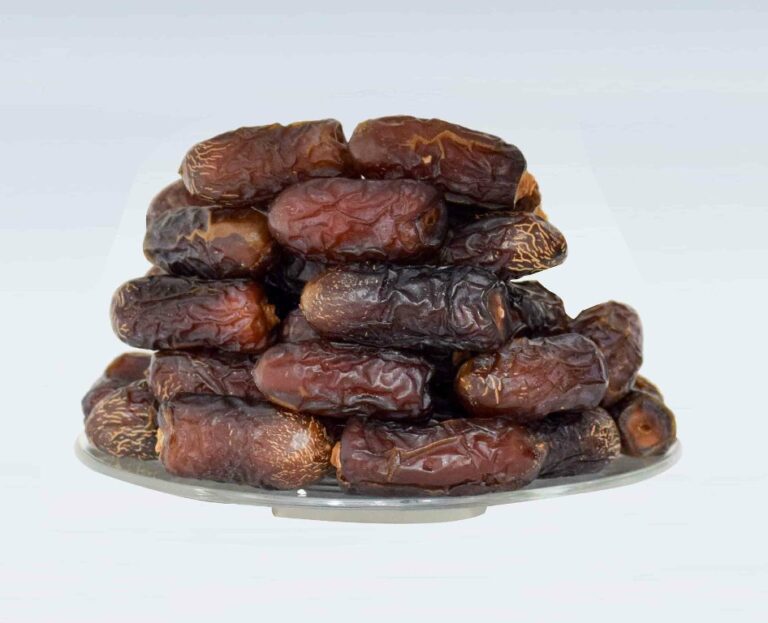
Introduction: The Sweet Revolution of the Desert Fruit
In the modern culinary landscape, there is a powerful and growing movement toward replacing refined, processed sugars with whole, natural alternatives. Leading this delicious revolution is the humble date—the fruit of the date palm (Phoenix dactylifera). For millennia, dates have been a primary source of sustenance and sweetness across the Middle East and North Africa, yet their potential as a truly superior sugar substitute is only now being fully embraced globally.
The versatility of dates in desserts goes far beyond simple snacking. When processed, blended, or chopped, they transform into an ingredient that not only imparts intense sweetness but also adds unparalleled richness, moisture, fiber, and a complex caramel-like flavor that refined sugar simply cannot match. This article explores the creative depths of using dates as a natural sweetener, answering the pivotal question: How can dates be creatively used as a natural sweetener in desserts, and what are some popular traditional and modern recipes that highlight their rich flavor? We will move from the foundational ingredient—date paste—to exploring a spectrum of recipes that showcase the date's unique ability to elevate both classic and contemporary confections.
1. Why Dates are the Superior Natural Sweetener
The choice of dates over other natural sweeteners like maple syrup, agave, or honey is rooted in their unique nutritional profile and composition, making them an ideal, whole-food alternative for desserts.
1.1 The Whole Food Advantage
Unlike liquid sweeteners, dates are a whole fruit. When they are used to sweeten a recipe, they contribute not just their natural sugars (glucose and fructose) but also all of their inherent goodness: dietary fiber, minerals (like potassium and magnesium), and antioxidants. This whole-food status ensures that the natural sugars are absorbed more slowly due to the fiber content, leading to a more sustained energy release and minimizing the sharp blood sugar spikes associated with refined sugar. This is the cornerstone of why Dates and Desserts can be part of a healthier lifestyle.
1.2 The Perfect Moisture and Texture
Dates provide an essential textural element that is highly sought after in baking. Their high moisture content and sticky nature help to bind ingredients, especially in raw and vegan recipes where eggs or gluten are excluded. When blended into a paste or caramel, they lend a dense, chewy, and moist crumb to baked goods, or a smooth, creamy texture to mousses and fillings. This physical property is often difficult to replicate with granulated or liquid sweeteners.
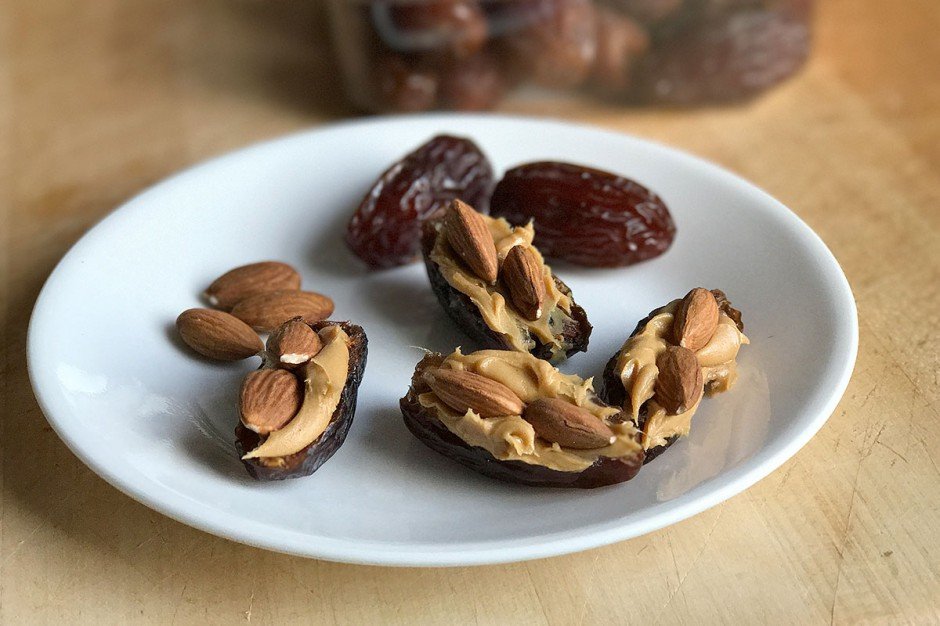
1.3 Flavor Complexity: Beyond Simple Sweetness
The flavor profile of a date is deeply complex, featuring notes of brown sugar, caramel, butterscotch, and a slight fruity tang depending on the variety. This rich, molasses-like depth adds a profound background flavor to any dessert, contrasting sharply with the neutral sweetness of table sugar. Whether you acquire your dates from a specialized kurma online retailer or a local market, their distinct flavor is irreplaceable.
2. The Foundation: Date Paste and Syrup
The key to creatively using dates in any dessert lies in the preparation of a few foundational ingredients that serve as direct, easy-to-measure substitutes for granulated sugar or syrups.
2.1 The Essential Date Paste (Date Sugar Substitute)
Date paste is the workhorse of natural date sweetening. It is created by soaking pitted dates (usually Medjool or Deglet Noor) in hot water and then blending them until a smooth, thick consistency is achieved.
- Usage: It can be used as a 1:1 substitute (by volume) for sugar in many muffin, cake, and cookie recipes, though liquid amounts often need slight adjustment. It is also the binding agent in almost all raw food desserts.
- Benefits: It provides maximum fiber and nutrient retention since the whole fruit is used, making it a truly whole-food sweetener.
2.2 Date Syrup (Date Honey)
Date syrup, or Dibs, is a traditional sweetener made by cooking dates until they break down, extracting the liquid, and then reducing it to a thick, pourable syrup.
- Usage: It functions similarly to maple syrup or honey, perfect for drizzling over pancakes, ice cream, or yogurt. It is also used as a binder in granola and energy bars.
- Benefits: While it loses some fiber in the straining process, it retains the mineral content and offers a clean, intensely rich, and pourable sweetness that dissolves easily into liquids.
3. Creative Applications in Modern Desserts
The modern culinary world has found ingenious ways to integrate dates, moving beyond traditional snacks into sophisticated, cutting-edge desserts that appeal to a health-conscious audience.
3.1 Raw and Vegan Baking Pioneers
Dates are indispensable in the world of raw food and vegan desserts. Their stickiness and density provide the structure needed to create crusts, fillings, and batters without baking, eggs, or refined flour.
- Crusts: Dates blended with nuts (almonds, walnuts) and a pinch of salt form the perfect, press-in crust for cheesecakes, tarts, and bars. The natural oils in the nuts combine with the moisture of the dates for an ideal, sturdy base.
- Cheesecakes and Mousse: Date paste, combined with soaked cashews and coconut cream, forms the creamy, rich body of dairy-free "cheesecakes." The dates not only sweeten but also lend an opaque color and dense texture to the finished product.
3.2 The Date Caramel Transformation
One of the most popular and versatile modern uses is transforming date paste into a guilt-free, intensely flavored caramel. By blending soaked dates with non-dairy milk (like almond or oat), a pinch of sea salt, and vanilla, a rich, pourable caramel sauce is created.
- Applications: This date caramel is perfect as a drizzle, a filling for candy bars, a swirl in brownies, or the base for salted caramel ice cream. It provides the deep flavor and color of traditional caramel without the need for boiling sugar.
- Salted Date Caramel Brownies: The combination of dates providing sweetness and moisture, paired with high-quality cocoa, yields fudgy brownies with a depth of flavor that is unmatched by recipes using white sugar alone.
4. Traditional Recipes Celebrating the Date
Dates have been the centerpiece of traditional confections for centuries, highlighting their natural flavor in ways that honor their desert origins. These recipes often utilize dates in their whole or coarsely chopped form, showcasing the fruit’s texture.
4.1 Ma'amoul and Kleicha (Stuffed Cookies)

Across the Middle East, dates are the primary filling for holiday and celebratory cookies like Ma'amoul (semolina cookies) and Kleicha (Iraqi date cookies).
- Preparation: A thick date paste, often spiced with cardamom, cinnamon, or rose water, is encased in a delicate, crumbly dough. The richness of the dates is perfectly balanced by the light texture of the cookie, providing a burst of sweetness and spice in every bite.
- Significance: These desserts prove that the simplest use of dates—as a concentrated filling—is often the most authentic way to appreciate their intense, concentrated flavor.
4.2 Date Loaves and Breads
In many cultures, dates are incorporated directly into hearty, dense cakes and loaves. The dates melt slightly during baking, releasing their sugar and moisture directly into the batter.
- Sticky Toffee Pudding's Ancestors: Think of date loaves as the natural, often less-sweet ancestors of classic sticky toffee pudding. The dates provide the dark color, stickiness, and a concentrated flavor profile that permeates the entire cake, and the fiber ensures the final product is incredibly moist and dense.
- Spiced Date and Nut Bread: Simple date breads often combine coarsely chopped dates with walnuts or pecans, pairing the fruit’s natural sweetness with the nut’s healthy fats for a nutritious and satisfying dessert or breakfast treat. Sourcing high-quality dates, perhaps even from a trusted kurma supplier malaysia, ensures the best texture and flavor for these traditional bakes.
5. Advanced Techniques and Creative Pairings
To push the creative limits of using dates, chefs and home bakers are now experimenting with flavor pairings and advanced preparatory techniques that maximize the date's potential.
5.1 Infusing Liquids with Date Flavor
Beyond using date paste, the subtle flavor of dates can be infused into cooking liquids. Simmering dates in milk (dairy or non-dairy) or water and then straining the liquid creates a flavorful base.
- Date-Infused Milk: This milk can be used to make custards, rice pudding, or even a naturally sweetened hot chocolate. It imparts a gentle sweetness and a subtle caramel hue without adding texture or extra thickness.
- Date Liqueurs and Syrups: Dates can be macerated in spirits (like rum or brandy) to create rich, naturally sweet liqueurs or simple syrups for cocktails.
5.2 Complementary Flavor Combinations
The rich, deep flavor of dates pairs exceptionally well with spices and acids that cut through their intensity:
- Spice: Cardamom, cinnamon, nutmeg, and ginger are classic pairings that deepen the date’s warmth.
- Acid: Citrus zest (lemon or orange) provides a bright counterpoint, often used in fillings or glazes to prevent the date's sweetness from overwhelming the palate.
- Nuts and Seeds: Almost all nuts, especially walnuts, pecans, and pistachios, harmonize perfectly with the caramel flavor of dates, creating textural contrast and nutritional balance.
6. Mastering the Substitution Ratios
Successfully using dates as a complete sugar substitute requires an understanding of the necessary adjustments, particularly in the liquid and fat content of a recipe.
6.1 The Liquid Compensation Rule
When substituting granulated sugar with date paste, remember that date paste contains significant moisture.
- Rule of Thumb: For every cup of sugar replaced with date paste, reduce the total liquid (milk, water, oil, etc.) in the recipe by approximately one-quarter to one-third of a cup. This prevents the baked good from becoming too dense or gummy.
- Texture Impact: Date paste naturally increases the chewiness of a dessert. If a light, airy cake is desired, dates may not be the ideal substitute; they excel in fudgy, dense, or moist baked goods.
6.2 Using Date Sugar
For recipes where a dry, granulated texture is required (like dusting or certain light cookie doughs), date sugar can be used. Date sugar is simply dried, pulverized dates.
- Caveat: Because it still contains the insoluble fiber of the date, it does not dissolve like refined sugar, resulting in a slightly gritty texture. However, it is an excellent way to maintain a true whole-food, dry-looking sweetener.
Conclusion:
The journey through the creative and functional uses of dates in desserts confirms their status as the ultimate natural sweetener. Their nutritional superiority—delivering fiber, minerals, and antioxidants alongside natural sugars—offers a powerful upgrade over every other refined and often empty-calorie sweetener. From the dense, raw energy balls and sophisticated date caramel sauces of modern kitchens to the time-honored, spiced fillings of Ma'amoul, Dates and Desserts represent a culinary convergence of health and heritage.
The versatility of date paste and syrup allows home cooks and professional chefs alike to reduce their reliance on processed sugars without compromising on flavor, moisture, or satisfaction. By embracing the date, we are not just choosing a healthier ingredient; we are choosing a richer, more complex flavor profile that grounds our desserts in whole-food goodness. The future of sweet treats is undoubtedly sticky, moist, and delightfully natural—and it is paved with the delicious, caramel-like goodness of the date.