Introduction
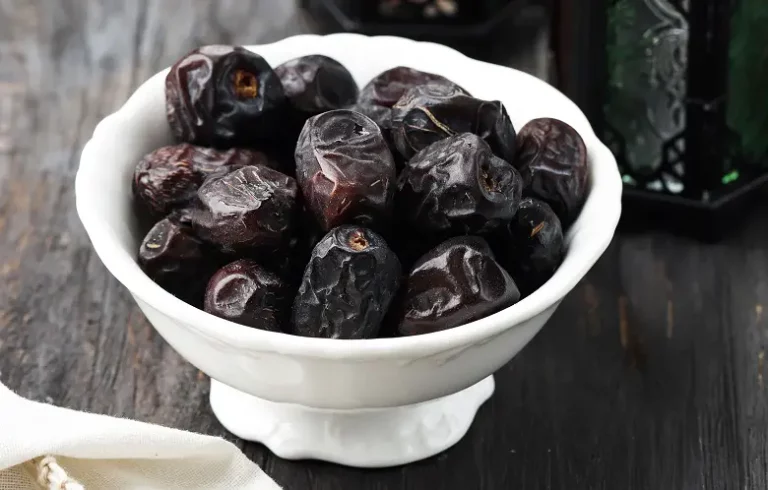
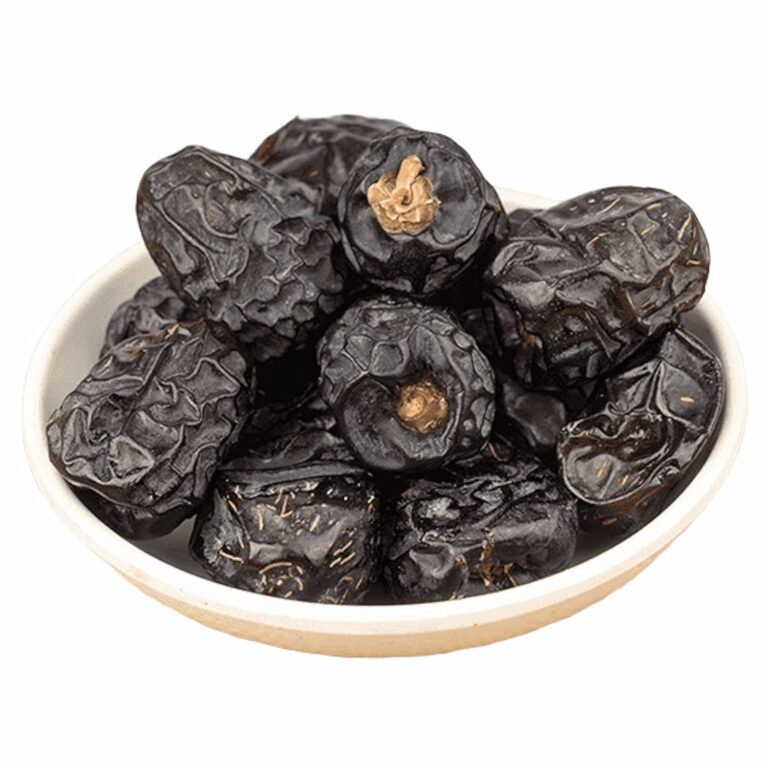
Ajwa dates are among the most sought-after varieties in the global date fruit market, especially due to their rich taste, cultural significance, and health benefits. As demand continues to rise, so does the importance of sourcing from a pembekal Kurma Ajwa who guarantees authenticity and quality. For dates suppliers, especially those involved in bulk purchases or reselling, verifying the credentials of a supplier is not just about quality control—it’s about trust, reputation, and long-term customer satisfaction.
This article breaks down the essential certifications a reliable supplier of Ajwa dates should provide. Understanding these certifications can help wholesalers and retailers make informed decisions, reduce risk, and ensure the dates they offer meet the highest standards.
1. Halal Certification
A Halal certification is one of the most critical credentials a supplier of Kurma Ajwa should present, especially in Muslim-majority markets. This certification confirms that the harvesting, processing, packaging, and storage methods comply with Islamic dietary laws.
Why it matters:
- Opens access to a wider market
- Boosts buyer confidence in product purity
- Often required for export to certain regions
Always verify that the Halal certification comes from a recognized and accredited Islamic authority.
2. Organic Certification
Ajwa dates marketed as “organic” must have certification from a recognized organic agriculture authority. This ensures that the dates are grown without synthetic fertilizers, pesticides, or genetically modified organisms (GMOs).
Why it matters:
- Appeals to health-conscious consumers
- Confirms chemical-free growing and processing
- Enhances brand value in premium segments
Look for certifications from bodies like USDA Organic, EU Organic, or local organic certification boards.
3. HACCP Certification (Hazard Analysis and Critical Control Point)
This certification ensures that the food processing facility follows strict safety protocols to prevent contamination at all stages of production.
Why it matters:
- Confirms hygienic handling and storage
- Reduces risk of spoilage or product recalls
- Essential for large-scale retail and export
A reputable supplier should be able to demonstrate compliance with HACCP standards, especially if operating in international markets.
4. ISO 22000 Food Safety Management Certification
ISO 22000 goes beyond HACCP and provides a comprehensive food safety management system. It ensures that food safety hazards are identified, controlled, and monitored across the supply chain.
Why it matters:
- Recognized globally across food industries
- Signals professionalism and operational maturity
- Often required by multinational buyers and distributors
This certification offers an additional layer of assurance regarding a supplier’s commitment to safety and quality.
5. GMP Certification (Good Manufacturing Practice)
GMP certification is another hallmark of a well-run date packaging or processing facility. It ensures the facility maintains clean environments, has properly trained staff, and follows best practices during production.
Why it matters:
- Ensures consistency in product quality
- Reduces contamination risk
- Supports long-term business scalability
This certification is especially important when dates are processed, packed, or stored for extended periods before distribution.
6. Certificate of Origin
For those focused on authenticity, the certificate of origin is critical. It verifies the country or region where the Ajwa dates were grown and harvested.
Why it matters:
- Confirms that the dates are genuine Ajwa
- Prevents substitution with similar-looking varieties
- Important for marketing and traceability
In many cases, buyers may request this certificate to verify that the kurma labeled as “Ajwa” is truly from the recognized growing regions.
7. Phytosanitary Certificate
A phytosanitary certificate confirms that the dates meet the importing country’s plant health standards and are free from harmful pests and diseases.
Why it matters:
- Required for international shipping
- Ensures compliance with customs and agricultural regulations
- Reduces risk of shipment rejection or penalties
This certification is a must-have for any kurma supplier engaging in international trade.
8. Lab Test Reports (for Moisture, Sugar, and Contaminants)
Many premium buyers request independent lab reports that provide a chemical analysis of the dates. These reports test for moisture content, sugar levels, pesticide residues, and microbial contaminants.
Why it matters:
- Validates nutritional claims
- Ensures compliance with local food safety laws
- Helps identify any issues in the supply chain
Having a reputable third-party lab test enhances a supplier’s credibility and transparency.
9. Fair Trade Certification
This certification ensures that workers involved in the production and supply chain are treated ethically and paid fairly. Though less common in the kurma industry, it’s becoming increasingly important for brands that prioritize ethical sourcing.
Why it matters:
- Aligns with global ethical sourcing practices
- Appeals to conscious consumers
- Strengthens brand image and CSR efforts
While not mandatory, it’s a valuable differentiator in competitive markets.
10. ISO 9001: Quality Management Certification
ISO 9001 certification indicates that the supplier follows a robust quality management system across all operations. It ensures ongoing improvement and customer satisfaction.
Why it matters:
- Promotes consistency and continuous improvement
- Assures buyers of a structured operation
- Builds long-term business trust
This certification adds weight to the supplier’s reliability and process-driven approach.
11. Cold Chain Certification (if applicable)
For Ajwa dates that are particularly sensitive to storage conditions, especially during export, cold chain certification ensures that the temperature has been properly maintained from harvest to delivery.
Why it matters:
- Maintains texture, moisture, and taste
- Reduces spoilage during transport
- Crucial for retailers selling premium date varieties
Not all suppliers may have this, but it's essential for temperature-sensitive logistics.
12. Local Business Licensing and Food Handling Certificates
Aside from international and voluntary certifications, a trustworthy supplier must possess valid business registration, food handling permits, and any required local certifications.
Why it matters:
- Demonstrates legal compliance
- Protects buyers from liability
- Ensures accountability in case of issues
These certifications are often overlooked but form the basic foundation of doing legitimate business.
Conclusion
When sourcing Ajwa dates in bulk, it’s not just about price or availability—it's about confidence, quality, and reliability. A reputable pembekal Kurma Ajwa will be transparent about their certifications and quality processes. For date suppliers, checking these credentials should be a top priority before entering any business relationship.
Whether you're supplying to retail chains, health food stores, or international clients, these certifications are your assurance that the product meets the highest standards. As the demand for premium Ajwa dates grows, aligning with a certified, quality-focused supplier is the smartest strategy for long-term success.