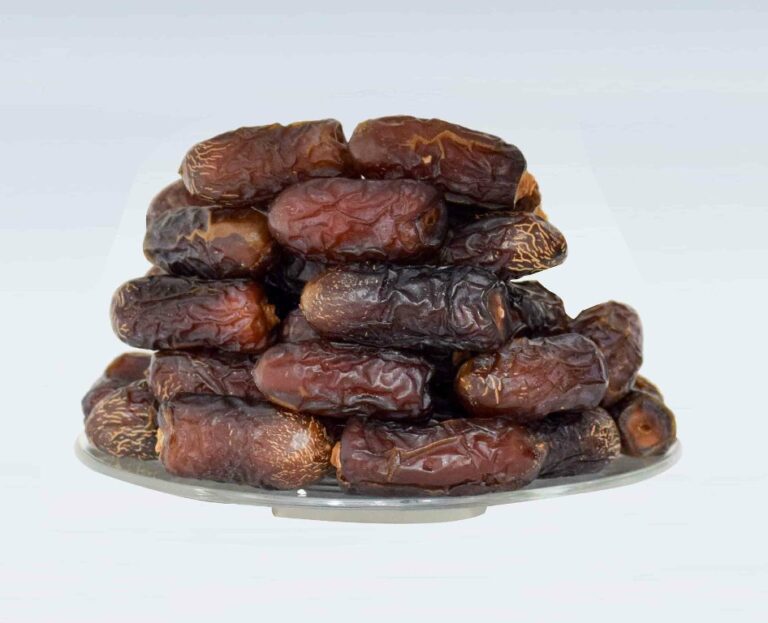
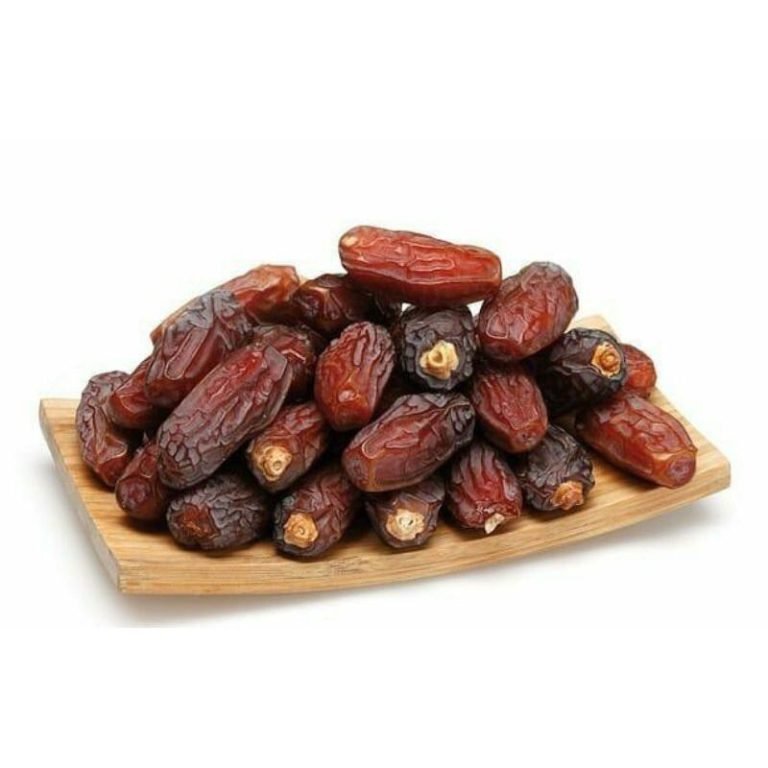
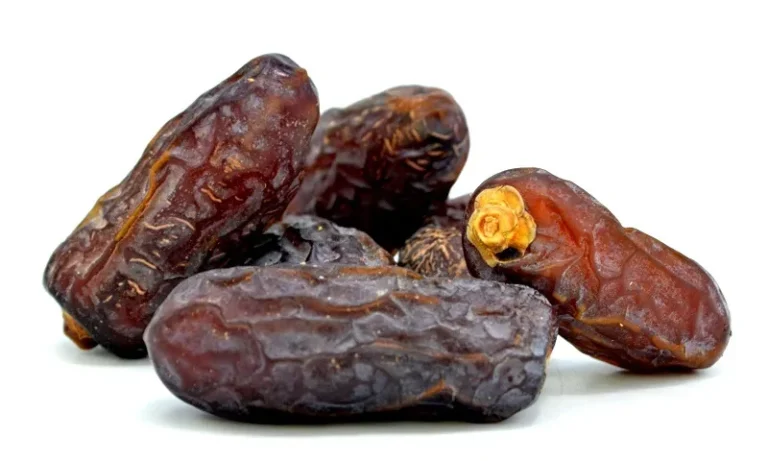
The global date industry has grown into a thriving marketplace where tradition, nutrition, and commerce intersect. At the heart of this expansion are wholesale markets, where bulk trading of dates ensures that communities, retailers, and businesses have access to one of the world’s most cherished fruits. For every Kurma supplier, the wholesale market is not just a place of trade but a hub of cultural exchange, where varieties of dates reflect both heritage and modern consumer demand. Buyers in these markets are not simply purchasing fruit; they are investing in flavors, textures, and stories that have been cultivated for centuries. Among the most popular varieties, options such as kurma safawi malaysia and kurma medjool stand out, representing both premium quality and cultural significance. By examining the varieties that dominate wholesale markets, we gain insight into how dates continue to shape economies and traditions worldwide.
The Role of Wholesale Markets in the Date Industry

Wholesale markets are the backbone of the date industry, providing a platform where suppliers, farmers, and distributors connect. These markets ensure that dates are available in large quantities, meeting the needs of retailers, restaurants, and communities during peak seasons such as Ramadan and cultural festivals.
Connecting Farmers and Suppliers
Wholesale markets allow farmers to sell their harvests in bulk, ensuring financial stability and reducing reliance on middlemen. For Kurma supplier networks, this connection is vital, as it guarantees a steady supply of fresh dates while supporting local agricultural communities.
Meeting Global Demand
With dates consumed worldwide, wholesale markets play a crucial role in meeting international demand. They provide a space where varieties from different regions are showcased, allowing buyers to choose based on quality, price, and cultural preference.
Popular Varieties in Wholesale Markets
The diversity of dates available in wholesale markets reflects the richness of global agriculture. Each variety carries unique characteristics that appeal to different buyers.
Kurma Safawi Malaysia
One of the most sought-after varieties in wholesale markets is kurma safawi malaysia, known for its rich flavor and soft texture. Safawi dates are often considered premium due to their nutritional profile and cultural significance. In Malaysia, they are widely consumed during religious practices and festive occasions, making them a staple in wholesale trade. Their popularity extends beyond local markets, with international buyers seeking them for their quality and authenticity.
Kurma Medjool

Another variety that dominates wholesale markets is kurma medjool, often referred to as the “king of dates.” Medjool dates are prized for their large size, caramel-like sweetness, and chewy texture. They are particularly popular in Western markets, where they are consumed as healthy snacks or used in culinary innovations. For Kurma supplier networks, medjool dates represent a premium product that appeals to health-conscious consumers and gourmet retailers alike.
Regional Preferences and Cultural Identity
Different regions have distinct preferences when it comes to date varieties, and these preferences are reflected in wholesale markets.
Middle Eastern Markets
In Middle Eastern countries, dates are a staple food consumed daily and during religious practices. Wholesale markets in these regions often feature a wide range of varieties, from soft and sweet to firm and chewy. Kurma supplier networks ensure that these preferences are met by offering diverse options.
Asian Markets
In Asia, varieties like kurma safawi malaysia hold cultural significance, particularly during Ramadan and festive seasons. Wholesale markets in these regions prioritize varieties that align with local traditions and consumer demand.
Western Markets
In Western countries, dates are increasingly recognized as superfoods. Varieties like kurma medjool dominate wholesale markets, appealing to consumers seeking natural sweetness and nutritional benefits.
The Economic Impact of Popular Varieties
Popular date varieties drive economic growth in wholesale markets, benefiting suppliers, farmers, and distributors.
Premium Pricing

Varieties such as kurma safawi malaysia and kurma medjool often command premium prices due to their quality and demand. This pricing supports farmers and suppliers, ensuring sustainable income.
Global Trade Opportunities
The popularity of these varieties opens doors for international trade, allowing Kurma supplier networks to expand their reach and connect with buyers worldwide.
Challenges in Wholesale Markets
Despite their importance, wholesale markets face challenges that must be addressed to sustain growth.
Quality Control
Ensuring consistent quality across bulk shipments is essential. Kurma supplier networks must implement strict standards to maintain consumer trust.
Market Competition
Intense competition can drive down prices, affecting farmer incomes. Balancing affordability with fair compensation is crucial for sustainability.
Future of Date Varieties in Wholesale Markets
The future of wholesale markets looks promising, with opportunities for innovation and growth.
Expanding Access
Technology and online platforms will expand access to wholesale markets, allowing buyers to connect directly with suppliers. This transparency will enhance trust and efficiency.
Focus on Sustainability
Sustainability will be a key focus, with Kurma supplier networks promoting eco-friendly practices and supporting farmers in adopting organic methods.
Conclusion
Dates are more than just fruits; they are cultural symbols and economic drivers that shape communities and traditions. Wholesale markets play a vital role in ensuring that popular varieties such as kurma safawi malaysia and kurma medjool reach consumers worldwide. For every Kurma supplier, these markets represent not only commerce but also heritage, connecting farmers, buyers, and communities through the shared appreciation of this timeless fruit. As demand continues to grow, the challenge lies in balancing tradition with innovation, ensuring that dates remain accessible, sustainable, and meaningful for generations to come.