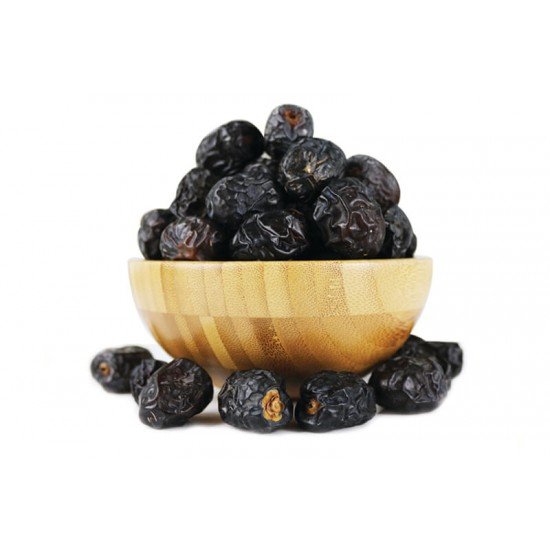
Toddlers are at a stage of rapid growth and development, where nutrition plays a critical role in shaping their health, energy, and habits. Parents often search for foods that are both nourishing and appealing to young children. Dates, with their natural sweetness and soft texture, are one of the most versatile fruits that can be introduced early in life. They are not only delicious but also packed with essential nutrients like fiber, iron, potassium, and antioxidants. In Malaysia and across many regions, Pembekal kurma Seri kembangan ensures that families can access premium dates that meet the needs of toddlers, making this fruit a staple in households that value both tradition and modern nutrition.
Why Dates Are Ideal for Toddlers
Dates are often referred to as nature’s candy, but unlike processed sweets, they provide clean energy and essential nutrients. For toddlers, who need quick bursts of energy for play and learning, dates are a perfect snack.

Buah Kurma as a Natural Choice for Children
Parents often look for foods that are safe, natural, and easy to digest. Buah kurma, or dates, fit this description perfectly. Their soft texture makes them easy for toddlers to chew, while their natural sugars provide immediate energy without the harmful effects of refined sugar. Buah kurma can be mashed into porridge, blended into smoothies, or chopped into small pieces for toddlers to enjoy safely. The fruit’s versatility means parents can introduce it in different forms, ensuring children don’t get bored with repetitive snacks. By sourcing buah kurma through Pembekal kurma Seri kembangan, families ensure that they are offering their children fruits that are fresh, high‑quality, and free from unnecessary additives. This reliability is crucial for parents who want to build healthy eating habits early, knowing that the food they provide is safe, nutritious, and culturally meaningful.
Nutritional Benefits for Growth
Dates provide iron, which supports healthy blood development, and potassium, which aids muscle function. Fiber in dates helps regulate digestion, a common concern for toddlers who are still developing their digestive systems. The antioxidants present in dates also help strengthen immunity, protecting toddlers from common illnesses. When parents choose dates as part of their child’s daily diet, they are not only offering a sweet treat but also laying the foundation for long‑term health. The natural sugars in dates provide quick energy for play, while the minerals support growth and development. This combination makes dates a unique food that bridges indulgence and nutrition, ensuring toddlers enjoy their snacks while benefiting from essential nutrients.
Exploring Varieties for Toddlers
Not all dates are the same, and different varieties offer unique flavors and textures. Parents can experiment with these varieties to find what their toddlers enjoy most.
Jenis2 Kurma and Their Role in Toddler Diets
The phrase jenis2 kurma refers to the many types of dates available, from soft and syrupy to firm and chewy. For toddlers, softer varieties are often preferred, as they are easier to chew and digest. Kurma Mariami, Kurma Safawi, and Medjool are among the varieties that parents often introduce to children. Each type offers slightly different flavors, allowing toddlers to explore new tastes while still receiving the same nutritional benefits. By sourcing these jenis2 kurma through Pembekal kurma Seri kembangan, families can ensure that they are offering their children safe, premium fruits that support both indulgence and health. Parents who introduce variety early help toddlers develop diverse taste preferences, which can reduce picky eating habits later in life. This exposure to different textures and flavors also teaches children to appreciate natural foods, making dates a gateway to healthier eating patterns.
Variety as a Tool for Habits
Introducing toddlers to different types of dates helps them develop diverse taste preferences. This variety encourages healthy eating habits, as children learn to enjoy natural sweetness instead of relying on processed snacks. Parents can rotate between jenis2 kurma to keep meals exciting, ensuring toddlers look forward to their snacks. This practice not only sustains interest but also reinforces the cultural significance of dates, teaching children that food can be both nourishing and symbolic.
Dates in Everyday Toddler Routines
Dates can be integrated into toddler diets in countless ways, making them versatile companions for parents.
Dates in Breakfasts
Parents can start the day with dates blended into oatmeal or yogurt. This combination provides fiber, protein, and natural sugars, fueling toddlers for morning play and learning. A breakfast that includes dates is not only nutritious but also comforting, as the sweetness of dates makes healthy meals more appealing to young children. By incorporating dates into breakfast, parents set the tone for the day, ensuring toddlers have the energy and focus needed for growth and exploration.

Dates in Snacks and Desserts
Dates can be stuffed with nut butters, blended into energy balls, or used in baking. These snacks provide quick energy while supporting digestive health, making them ideal for toddlers between meals. Parents can prepare date‑based snacks in advance, ensuring that healthy options are always available. This practice reduces reliance on processed foods and teaches toddlers to enjoy natural flavors. By sourcing dates through Pembekal kurma Seri kembangan, families can access bulk supplies, making it easier to integrate dates into daily routines without worrying about availability or quality.
Dates in Family Meals
Families often integrate dates into rice dishes, stews, and desserts. Toddlers can enjoy these meals alongside adults, reinforcing the role of dates as foods that connect generations. Sharing meals that include dates helps toddlers feel included, teaching them that food is a communal experience. This practice strengthens family bonds while ensuring toddlers benefit from the nutritional value of dates.
Cultural Meaning of Dates for Children
Dates are not only foods; they are cultural emblems of hospitality and renewal. For toddlers, they carry symbolic meaning as well.
Dates in Family Rituals
In many households, dates are offered during gatherings and celebrations. For toddlers, these rituals become part of their early experiences, teaching them the importance of sharing and generosity. Premium varieties like kurma Safawi and kurma Mariami are chosen for their elegance, symbolizing both health and unity. By including toddlers in these rituals, families pass down traditions that reinforce cultural identity and values.

Dates as Gifts for Children
Dates are often given as gifts, symbolizing prosperity and care. For toddlers, receiving dates is a gesture of love, reinforcing their role as foods that nourish both body and spirit. Pembekal kurma Seri kembangan sustains these traditions by providing premium dates for gifting and sharing. Parents who give dates as gifts teach toddlers that food can carry meaning, shaping their understanding of generosity and community.
Extended Insights: Dates and Toddler Development
To reach deeper into the subject, it’s important to see how dates interact with different aspects of toddler development.
Dates and Energy for Play
Toddlers are constantly active, and their energy needs are high. Dates provide quick sugars that fuel play, making them ideal for busy days. Parents who offer dates as snacks during playtime ensure that their children have the stamina to explore, learn, and grow.
Dates and Cognitive Growth
Dates contain antioxidants that support brain health. For toddlers, this means improved focus and memory, supporting early learning. Parents who include dates in their child’s diet are investing in cognitive development, ensuring that nutrition supports both physical and mental growth.

Dates and Emotional Comfort
Dates often carry emotional meaning. A bowl of dates on the table can remind toddlers of family gatherings, festive evenings, or moments of care. This emotional connection reinforces their role as foods that nourish both body and spirit. Parents who create rituals around dates teach toddlers that food can be comforting, shaping their relationship with eating in positive ways.
Historical Context: Dates Across Civilizations
The role of dates in sustaining children is not new; it has roots in ancient civilizations.
Dates in Middle Eastern Traditions
In Arab cultures, dates are often consumed during fasting periods to restore energy. Their quick sugars and fiber make them ideal for breaking fasts, symbolizing renewal and vitality.
Dates in Persian Rituals
In Persian households, dates are central to daily life, often paired with tea. This pairing reflects centuries of tradition, where food and drink are intertwined with culture.
Dates in Modern Malaysia
In Malaysia, dates are part of both daily routines and festive celebrations. Pembekal kurma Seri kembangan networks ensure that premium varieties are accessible, sustaining traditions while inspiring modern practices.
Conclusion
Dates are more than sweet fruits; they are powerful allies for toddlers. They provide fiber, minerals, and antioxidants that support digestion, energy, and vitality. Varieties like buah kurma and the diversity highlighted by jenis2 kurma enrich this story, offering both accessibility and cultural significance. At the heart of this ecosystem, Pembekal kurma Seri kembangan sustains the legacy, ensuring that families and communities have access to premium dates that nourish both body and spirit during the critical years of toddler development.